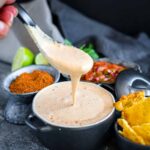

Want to taste Korean cooking at home? Making a Korean BBQ sauce recipe at home is easier than you think and allows you to customize the flavors to your liking. It combines a perfect balance of sweet, savory, and spicy elements for that signature Korean flavor. With just a few ingredients and steps, you can create a sauce that takes your BBQ to the next level.

I remember the first time I tried Korean BBQ at a local restaurant—it was a new world of flavors. That’s when I decided to try making my own sauce at home. I wanted a sauce to control the flavor of, adjust to my family’s tastes, and, most importantly, make without unknown additives.

Can I Use this Recipe for Korean Cooking Marinade
Yes, this recipe works wonderfully for marinating bulgogi, galbi and short ribs. Coat your protein—be it chicken, beef, pork, or tofu—and let it sit in the fridge for a few hours or overnight. The flavors soak in beautifully, giving your dishes a bold, authentic Korean taste.
Is this Similar to Ssamjang and Gochujang
While this sauce shares some elements with ssamjang and gochujang, it’s not the same. Ssamjang is a thick dipping sauce with more fermented flavors, and gochujang is a spicy-sweet Korean chili paste often used as a base ingredient.
This Korean BBQ sauce is a more flexible, slightly thinner option tailored for grilling or glazing. Add this to your list of sauces and dips like enchilada sauce, orange chicken sauce, and BBQ sauce.

Why You Will Love This Korean BBQ Sauce
You’ll love this sauce because it’s rich, flavorful, and adjustable to Korean food. Use it as a marinade, a basting sauce, or even a dip for frozen onion rings, French fries, chicken bites, or baked chicken wings. It’s perfect for adding that irresistible, smoky-sweet Korean flavor to your meals without dining out.
How To Make Easy Korean BBQ Spicy Dipping Sauce Recipe
Make a delicious and easy Korean BBQ sauce with simple ingredients for the perfect balance of sweet, savory, and spicy flavors. This sauce pairs perfectly with grilled meats, Korean BBQ chicken wings, or even veggies.
Kitchen Gadgets Needed:
- Cooking Pot: For simmering and blending the ingredients into a flavorful sauce.
- Spatula: Stir and make sure nothing sticks to the bottom of the pot.
- Bowl: Mix and hold the finished sauce before serving or storing.
Ingredients Needed:
- Soy Sauce: The savory base for the sauce, bringing depth.
- Sesame Oil: Adds a nutty, aromatic touch that’s Korean.
- Garlic: For bold flavor and a hint of spiciness.
- Broth: To thin the sauce and improve its savory profile.
- Xanthan Gum: A thickening agent gives the sauce a smooth, glossy texture.
- Maple Syrup: Provides a natural sweetness to balance the salty and spicy flavors.
- Red Pepper Flakes: For heat and that signature Korean spice kick.
- Ginger: Adds warmth and a zesty undertone.
- Rice Vinegar: Balances the flavors with a touch of tangy acidity.
*Exact measurements are listed in the recipe card below.
STEP-BY-STEP INSTRUCTIONS TO MAKE KOREAN BBQ SAUCE RECIPE
First Step: Prepare Sauce Ingredients
Gather all your ingredients and measure them out to ensure a smooth cooking process. Mince the garlic and ginger for easy sautéing. Keep everything within arm’s reach for a hassle-free experience.

Second Step: Sauté Garlic
Heat sesame oil in a cooking pot over medium heat until aromatic. Add the minced garlic and sauté until fragrant, being careful not to burn it. This step infuses the oil with rich flavor, creating the base for your sauce.

Third Step: Pour Broth and Thicken
Slowly pour the broth into the pot, stirring constantly to combine. Sprinkle in the red pepper flakes. Slowly add xanthan gum while whisking to prevent lumps, and let the mixture simmer until it thickens slightly. This creates the silky texture characteristic of Korean BBQ sauce.

Fourth Step: Add the Remaining Ingredients
Add soy sauce, maple syrup, ginger, and rice vinegar to the pot. Stir well and let the sauce simmer for a few minutes to melt the flavors together. Once done, taste and adjust the seasoning before transferring the sauce to a bowl for serving or storing.

TIPS AND TRICKS:
- Balancing Flavor: Adjust the sweetness, heat, or tanginess by tweaking with fermented soybean, gochugaru, doenjang, green onion or sesame seeds. Taste as you go to create your perfect balance.
- Thickening Sauce: Use xanthan gum sparingly—too much can create a gummy texture. Start with a small amount and add gradually.
- Serving Temperature: Korean BBQ sauce tastes great, both warm and at room temperature. Warm it slightly before serving for enhanced flavors.

FREQUENTLY ASKED QUESTIONS AND ANSWERS
Substitute For Korean Barbecue Sauce
If you’re out of soy sauce, try tamari or coconut aminos for a gluten-free alternative. Honey or a sweetener can replace maple syrup for different sweetness options, and apple cider vinegar works as a substitute for rice vinegar.
What To Serve With BBQ Korean Dipping Sauce?
This sauce also fits when served with lettuce wraps filled with grilled meats, cauliflower rice, and frozen nuggets. Pair it with broccoli salad, carrots, and mushrooms. For a unique twist, try it with Korean pancakes such as scallion pancakes (pajeon) or kimchi pancakes (kimchi jeon).
How Do I Store Korean Sauce for BBQ?
After preparing the sauce, allow it to cool completely before transferring it to an airtight container, such as a glass jar or food-safe plastic container. Store it in the refrigerator, where it will stay fresh for 1-2 weeks. For longer storage, you can freeze the sauce in small portions using an ice cube tray or freezer-safe container, making it easy to defrost only what you need.

Yes, you can freeze BBQ sauce, and it’s a great way to extend its shelf life. To freeze, allow the sauce to cool completely after cooking. Then, pour it into freezer-safe containers or ice cube trays for portioned servings. Seal the containers tightly to prevent freezer burn, and label them with the date for easy tracking.
More Tasty Ideas for You
Check out these mouthwatering recipes that pair perfectly with your favorite dishes. Discover a delicious and guilt-free snack with our radish chips that you can make using a dehydrator, oven or air fryer.
Learn how to make a pine cone cheese ball as a perfect festive breakfast or appetizer using almonds. And talking about almonds, our almond bark recipe is a treat that combines the rich taste of dark chocolate with the satisfying crunch of almonds.
Pin For Later

Need Support or have Questions? Join our Free Facebook Group.
Follow us on Pinterest, Facebook, Instagram, TikTok, Flipboard, or YouTube.
For weekly New Recipes and a FREE E-Book get into our NEWSLETTER.
Full Recipe With Print Out Option
Thank you for giving us 5 stars

Korean Sauce For BBQ
Equipment
Ingredients
- 1/4 Cup Soy Sauce
- 2 teaspoons Sesame Oil
- 3 Pieces Garlic Cloves Minced
- 1/2 Cup Broth
- 1/2 teaspoon Xanthan Gum
- 3 Tablespoons Sugar-Free Maple Syrup or Liquid Sweetener
- 1/4 teaspoon Red Pepper Flakes Crushed
- 2 teaspoons Grated Ginger Fresh
- 1 Tablespoon Rice Vinegar
Video
Instructions
- Gather all your ingredients and measure them out to ensure a smooth cooking process. Mince the garlic and ginger for easy sautéing. Keep everything within arm’s reach for a hassle-free experience.
- Heat sesame oil in a cooking pot over medium heat until aromatic. Add the minced garlic and sauté until fragrant, being careful not to burn it. This step infuses the oil with rich flavor, creating the base for your sauce.
- Slowly pour the broth into the pot, stirring constantly to combine. Sprinkle in the red pepper flakes. Slowly add xanthan gum while whisking to prevent lumps, and let the mixture simmer until it thickens slightly. This creates the silky texture characteristic of Korean BBQ sauce.
- Add soy sauce, maple syrup, ginger, and rice vinegar to the pot. Stir well and let the sauce simmer for a few minutes to melt the flavors together. Once done, taste and adjust the seasoning before transferring the sauce to a bowl for serving or storing.
Notes
- Balancing Flavor: Adjust the sweetness, heat, or tanginess by tweaking with fermented soybean, gochugaru, doenjang, green onion or sesame seeds. Taste as you go to create your perfect balance.
- Thickening Sauce: Use xanthan gum sparingly—too much can create a gummy texture. Start with a small amount and add gradually.
- Serving Temperature: Korean BBQ sauce tastes great, both warm and at room temperature. Warm it slightly before serving for enhanced flavors.
Nutrition
Disclaimer
Please note that nutrient values are estimates only. Variations can occur due to product availability and manner of food preparation. Nutrition may vary based on methods of origin, preparation, freshness of ingredients, and other factors.
If you are still looking for some Low Carb products, visit our recommended site on Amazon, which we participate in as affiliates. Just click on the image below and all will be revealed.

Addition To Your Pantry
This Korean BBQ sauce is a must-have for adding bold, sweet, and savory flavors to your meals. Perfect for marinades, dips, or drizzling over your favorite dishes.